By Irene Roth/Blog Editor
There are seasons in life when energy feels abundant—when ideas flow, movement feels natural, and the day opens with possibility. But there are also quieter seasons, especially for those living with chronic conditions, when energy feels fragile, limited, or unpredictable. In those moments, energy renewal becomes not just helpful, but essential.
Energy renewal is not about pushing harder or finding ways to do more. It is about learning how to return to yourself—gently, compassionately, and without judgment. It is about listening to your body and honoring what it tells you, even when that message is to pause.
For many of us, especially those navigating fibromyalgia or chronic fatigue, energy does not come in steady waves. It arrives in pockets—small, precious windows of possibility. The key is not to stretch those windows until they disappear, but to work with them wisely. To ask: what matters most in this moment? What can I do that nourishes rather than depletes?
Renewal often begins with awareness. Notice when your energy begins to shift. Is there a subtle heaviness in your limbs? A tightening in your shoulders? A fog settling into your thoughts? These are not inconveniences to ignore—they are signals, invitations to slow down and recalibrate.
There is a quiet strength in responding early, in choosing rest before exhaustion overtakes you. This kind of awareness can transform your days. Instead of crashing into stillness, you step into it with intention.
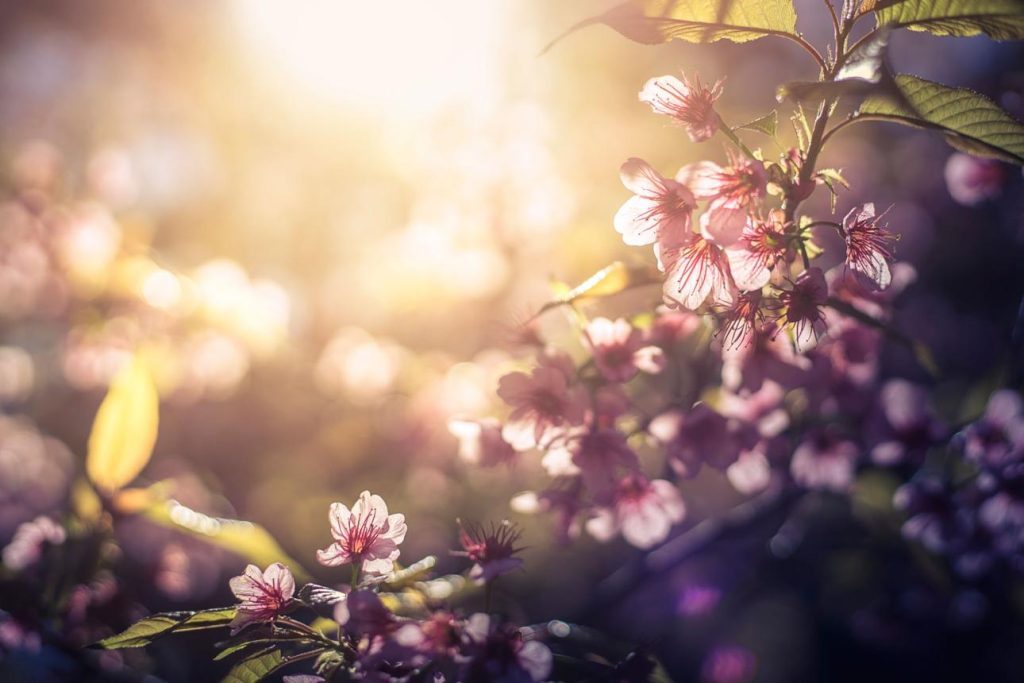
Nature offers us a beautiful model for renewal. The trees do not bloom all year. They rest, they release, they gather their strength in unseen ways before returning to fullness. Cherry blossoms, in particular, remind us of the beauty of briefness. They bloom brilliantly, and then they let go. There is no striving, no overreaching—just a natural rhythm of expression and rest.
We, too, are allowed that rhythm.
Energy renewal can take many forms, and it does not have to be complicated. It may be as simple as sitting quietly with a cup of tea, feeling the warmth in your hands. It may be stepping outside for a few moments of fresh air, letting the sunlight touch your face. It may be closing your eyes and taking a few slow, intentional breaths.
It can also be creative. Writing a few lines in a journal, doodling, listening to music, or simply allowing your mind to wander without direction. These moments are not unproductive—they are restorative. They help replenish the inner reserves that constant activity drains.
One of the most important aspects of renewal is releasing guilt. Many of us have been taught that rest must be earned, that productivity defines worth. But this belief is deeply limiting. Rest is not a reward—it is a necessity. Without it, there is no sustainable energy to draw from.
When you allow yourself to rest without guilt, something shifts. You begin to trust your body rather than fight it. You begin to see rest not as an interruption, but as part of the rhythm of a meaningful life.
Energy renewal is also about boundaries. It means recognizing when something is too much and giving yourself permission to step back. It means saying no when needed, even when it feels difficult. Protecting your energy is not selfish—it is an act of self-respect.
Over time, these small acts of renewal create a larger transformation. You begin to feel more grounded, more present, more in tune with your own needs. Life may still be busy, but it no longer feels overwhelming in the same way.
Instead of constantly chasing energy, you begin to cultivate it.
And perhaps most importantly, you begin to understand that renewal is not something you find outside yourself. It is something you create, moment by moment, through attention, care, and compassion.
So today, ask yourself: what would it look like to renew my energy, even just a little?
And then, gently, begin.