Creating a Fibro-Friendly Sleep Routine: Practical Tips for a Restful Night’s Sleep

by Irene Roth, Blog Editor/Writer

Sleep is one of the most powerful tools in a fibromyalgia warrior’s toolkit—but for many, it’s also one of the hardest to access. If you live with fibromyalgia, you know how frustrating it can be to wake up feeling more exhausted than when you went to bed. Pain, anxiety, restless legs, and temperature fluctuations can all conspire to keep you from getting deep, restorative sleep.

The good news? You can take steps to create a fibro-friendly sleep routine that supports your body and mind. While there’s no one-size-fits-all solution, small, consistent changes can help you fall asleep faster, stay asleep longer, and wake feeling more refreshed.

Here’s how to get started.

1. Set a Consistent Sleep Schedule

Your body thrives on routine—especially when fibromyalgia makes your energy unpredictable. Try to go to bed and wake up at the same time every day, even on weekends. This helps regulate your circadian rhythm (your body’s internal clock), making it easier to fall asleep naturally.

If you’re currently a night owl, shift your bedtime slowly—about 15 minutes earlier every few nights—until you reach a schedule that gives you enough sleep and aligns with your life.

2. Create a Calming Bedtime Ritual

A wind-down routine signals to your brain that it’s time to rest. Choose soothing activities that help your body shift from “go mode” to “slow mode.” Some fibro-friendly ideas include:

  • Gentle stretching to ease muscle tension.
  • Warm baths with Epsom salts to soothe aches and prepare your body for rest.
  • Journaling to release racing thoughts and worries.
  • Breathing exercises or guided meditations to relax the nervous system.

Whatever you choose, do it consistently for 20–30 minutes before bed. Over time, your brain will associate these activities with sleepiness.

3. Optimize Your Sleep Environment

Your bedroom should be a sanctuary for rest. If fibro pain or sensory sensitivities make sleep harder, pay special attention to these factors:

  • Mattress and Pillows: Choose supportive bedding that reduces pressure points. Memory foam mattresses or mattress toppers can be especially helpful.
  • Temperature: Fibromyalgia can cause temperature sensitivity, so experiment with breathable bedding, layered blankets, or a fan to keep you comfortable.
  • Noise and Light: Use blackout curtains, a sleep mask, or a white noise machine to block disruptions.
  • Electronics: Keep your bedroom as tech-free as possible—no scrolling in bed! Blue light from screens can delay melatonin production and keep you awake.

4. Watch What You Eat and Drink

What you consume during the day can affect how well you sleep at night. You may want to avoid caffeine after late morning—it can stay in your system for hours. Also, you may want to skip heavy meals or sugar close to bedtime. Finally, drink enough water during the day, but limit fluids right before bed to avoid nighttime bathroom trips. Some people find a light, protein-rich snack (like a banana with peanut butter) helps them stay asleep longer by stabilizing blood sugar.

5. Manage Pain Before Bed

Pain flare-ups can be the biggest barrier to sleep for fibro warriors. Take proactive steps to address discomfort before you lie down:

  • Try gentle self-massage or use a heated blanket on sore spots.
  • If prescribed, take pain medication or muscle relaxants at a time that supports sleep.
  • Practice relaxation techniques like progressive muscle relaxation to release tension.

6. Limit Naps (or Make Them Strategic)

While naps can be tempting when fatigue hits hard, long or late-afternoon naps can interfere with nighttime sleep. If you need to nap, aim for 20–30 minutes before 3 p.m. to refresh yourself without disrupting your circadian rhythm.

7. Be Patient and Track Your Progress

It takes time for your body to adjust to a new sleep routine, so give yourself grace. Keep a simple sleep journal to track bedtime, wake time, pain levels, and how refreshed you feel in the morning. This can help you identify patterns—like whether certain foods, activities, or stressors impact your sleep quality.

Creating a fibro-friendly sleep routine isn’t about perfection—it’s about consistency and self-compassion. Some nights will still be restless, and that’s okay. Over time, the small steps you take to support your sleep can add up to big improvements in your energy, pain management, and overall quality of life. A good night’s sleep may not cure fibromyalgia, but it can make living with it much more manageable. Start with one or two of the tips above and build from there. Your body will thank yo

A Cozy Month for Rest, Renewal, and Energy Management

By Irene Roth, Blog Editor/Writer

Welcome to October, friends! October is one of those months that I would love to linger on for longer than 31 days. There is so much to look forward to and enjoy.

October is one of those magical months that invites us to slow down and breathe a little deeper. The days grow shorter, the nights stretch longer, and the crisp autumn air carries the promise of change. For those of us living with fibromyalgia, this shift in seasons can feel both comforting and challenging. While the cozy atmosphere and vibrant fall colors bring a sense of peace, the colder weather, fluctuating barometric pressure, and earlier sunsets can make fatigue, pain, and brain fog feel more intense. That’s why October is the perfect month to focus on what truly sustains us: sleep and energy management.

Sleep isn’t just about closing our eyes and hoping for rest—it’s the foundation of our healing. Yet, for fibro warriors, getting restorative sleep can be one of the biggest struggles we face. Poor sleep can trigger flares, intensify pain, drain energy, and make it hard to focus or enjoy daily life. That’s why this month, we’re going to explore practical ways to create a fibro-friendly sleep routine that works with your body, not against it. From evening wind-down rituals to the ideal sleep environment, we’ll cover steps you can take to improve the quality of your rest—because better nights lead to better days.

But sleep is only one piece of the puzzle. Managing our energy wisely is equally important. Many of us know what it feels like to wake up already exhausted, with a to-do list that feels impossible. That’s where pacing and planning come in. This month, I’ll be sharing a deep dive into energy pacing techniques and Spoon Theory—one of the most helpful ways to visualize and manage limited energy. Spoon Theory gives us a way to communicate our needs and plan our days intentionally so we don’t end up burned out by mid-afternoon.

We’ll also explore natural ways to support better sleep—because sometimes, a gentle nudge can make all the difference. From herbal teas and calming supplements to bedtime stretches and breathing exercises, I’ll share evidence-based, fibro-friendly approaches to help your body relax and reset.

Nutrition will be another key topic this month. What we eat can either support or sabotage our sleep. We’ll look at foods and nutrients that encourage deeper, more restorative rest, as well as those that might be interfering with our ability to fall and stay asleep. A few small dietary shifts can make a surprising impact on how refreshed you feel in the morning.

October is an invitation to cozy up, tune in, and create habits that nurture both body and mind. My hope is that these posts will inspire you to embrace rest as a form of self-care, rather than something you have to “earn.” Sleep and energy management aren’t luxuries—they are essential to living well with fibromyalgia.

Here’s a sneak peek at what’s coming this month:

  • Creating a Fibro-Friendly Sleep Routine: Build a gentle, consistent bedtime routine that signals your body it’s safe to rest.
  • Energy Pacing: Learn how to plan your day and manage your “spoons” to avoid energy crashes.
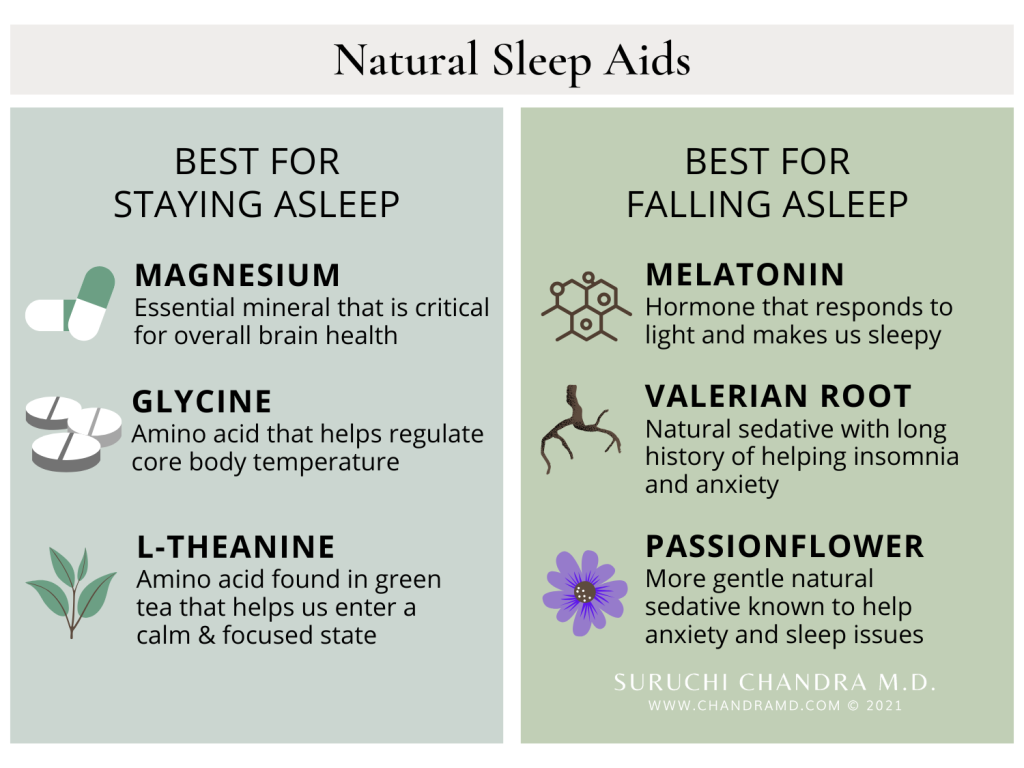
  • Natural Sleep Aids for Fibro Warriors: Explore safe, soothing tools to help you drift off naturally.
  • The Role of Nutrition in Restorative Sleep: Discover which foods support deep, refreshing sleep—and which one’s may be keeping you awake.

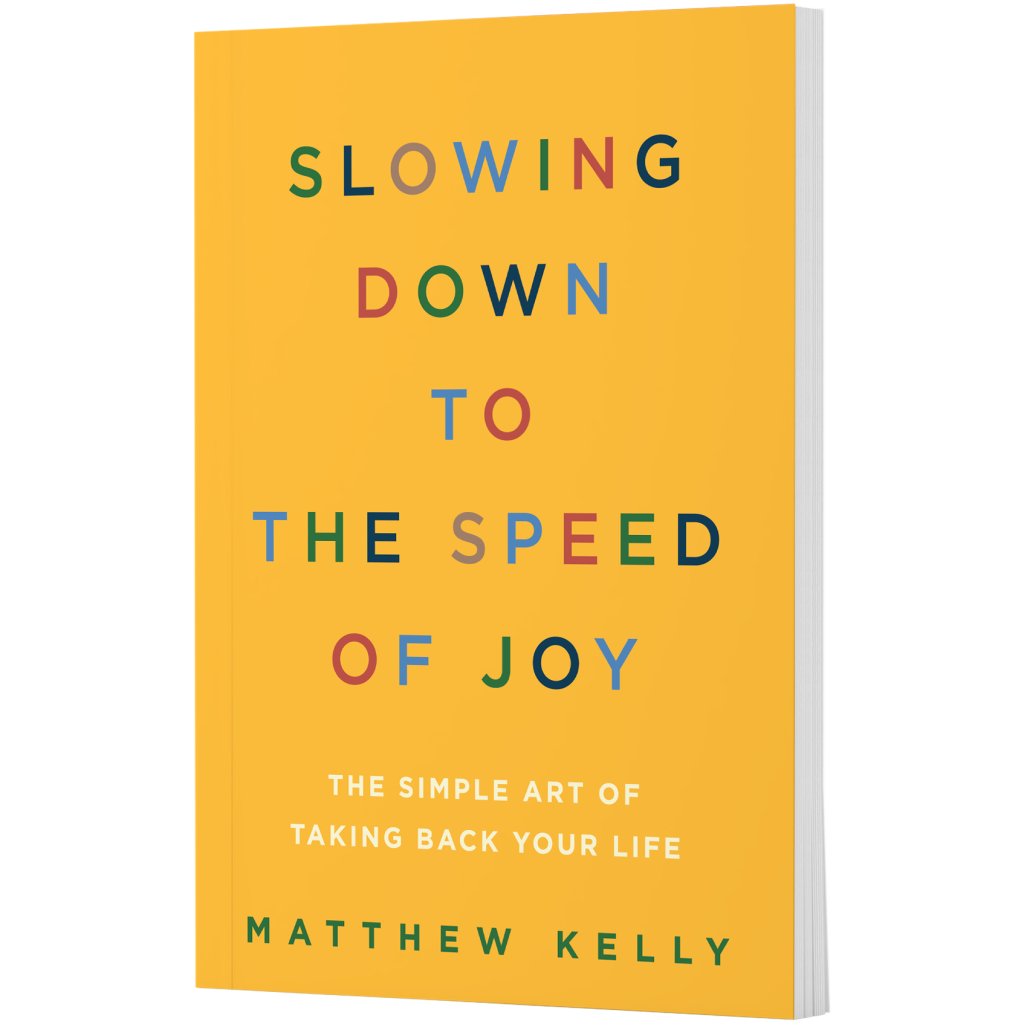
I will also be reviewing a wonderful book that is just fitting for this season. It will be live on our blog on October 15th. It is called Slowing Down to the Speed of Joy by Matthew Kelly. It has been one of those books that I couldn’t put down.

So, grab a warm blanket, brew a cup of herbal tea, and join me on this month-long journey of slowing down, restoring balance, and learning how to work with your body’s rhythms this autumn.

Releasing Guilt and Embracing Rest Without Shame: A Healing Path for Fibromates

by Irene Roth, Blog Editor/Writer

Living with fibromyalgia often means navigating an invisible illness that can drain energy, heighten pain, and leave you feeling like you’re constantly pushing against your body’s limits. For many fibromates, rest is not a luxury—it’s a necessity.

Yet, taking time to rest often stirs up feelings of guilt or shame, especially in a world that prizes productivity and constant motion. Learning to release that guilt and embrace rest as an essential part of self-care is not only healing but empowering.

Society tends to equate rest with laziness. When chronic pain and fatigue force fibromates to slow down or take breaks, it can feel like letting others down—family, friends, or even workplace colleagues. Over time, this creates a harmful internal dialogue: “I should be doing more. I’m not enough. I’m failing.”

But here’s the truth: rest is not a failure. Rest is a vital tool for managing fibromyalgia symptoms and preserving your energy for what matters most. When your body signals exhaustion or pain, it’s not weakness—it’s wisdom. Ignoring those signals only worsens symptoms, while honoring them allows space for healing.

For fibromates, rest isn’t idleness—it’s medicine. Pausing to nap, meditate, or simply sit quietly can lower stress hormones, reduce muscle tension, and ease the cognitive fog often called “fibro-fog.” Just as your body needs sleep to repair itself, it also needs mindful rest throughout the day to restore balance.

Instead of viewing rest as time “lost,” reframing it as an active choice for well-being changes the narrative. Each moment of rest is an investment in your health—a way to preserve energy, reduce flare-ups, and sustain long-term resilience.

Letting go of guilt around rest takes practice. Start by reminding yourself of these truths:

  1. Your worth is not tied to productivity. You are valuable simply because you are you—not because of what you achieve.
  2. Rest allows you to give more fully. By caring for yourself first, you’re better able to show up for loved ones with more presence and patience.
  3. You’re not “falling behind.” You’re living with a condition that requires a different pace. Resting is not losing time—it’s aligning with your body’s needs.

Practical steps to release guilt include setting affirmations like: “Rest is my right. Rest heals me.” or journaling about your emotions when you choose rest. Over time, these practices help replace self-criticism with self-compassion.

Creating a Rest-Friendly Lifestyle

Embracing rest without shame also means intentionally weaving it into daily life. Here are a few strategies:

  • Schedule rest breaks. Just as you would an appointment, block time in your calendar for short breaks, naps, or relaxation.
  • Practice mindful rest. Instead of scrolling through your phone, engage in restorative activities such as deep breathing, listening to calming music, or lying down with a warm compress.
  • Set boundaries. Learn to say “no” without apology. Protecting your energy is not selfish—it’s necessary.
  • Communicate openly. Explain to friends and family why rest is essential for your health. Often, loved ones will be more understanding than you imagine.

Embracing Rest as Empowerment

Releasing guilt and embracing rest is ultimately about empowerment. It means trusting your body, honoring your needs, and refusing to let external expectations dictate your worth. Rest is not something you need to “earn.” It’s a basic human need—and for fibromates, a central part of healing.

When you give yourself permission to rest without shame, you reclaim your power from guilt. You step into a life guided not by unrealistic demands but by compassion, wisdom, and balance. And in that space of rest, true healing can begin to unfold.