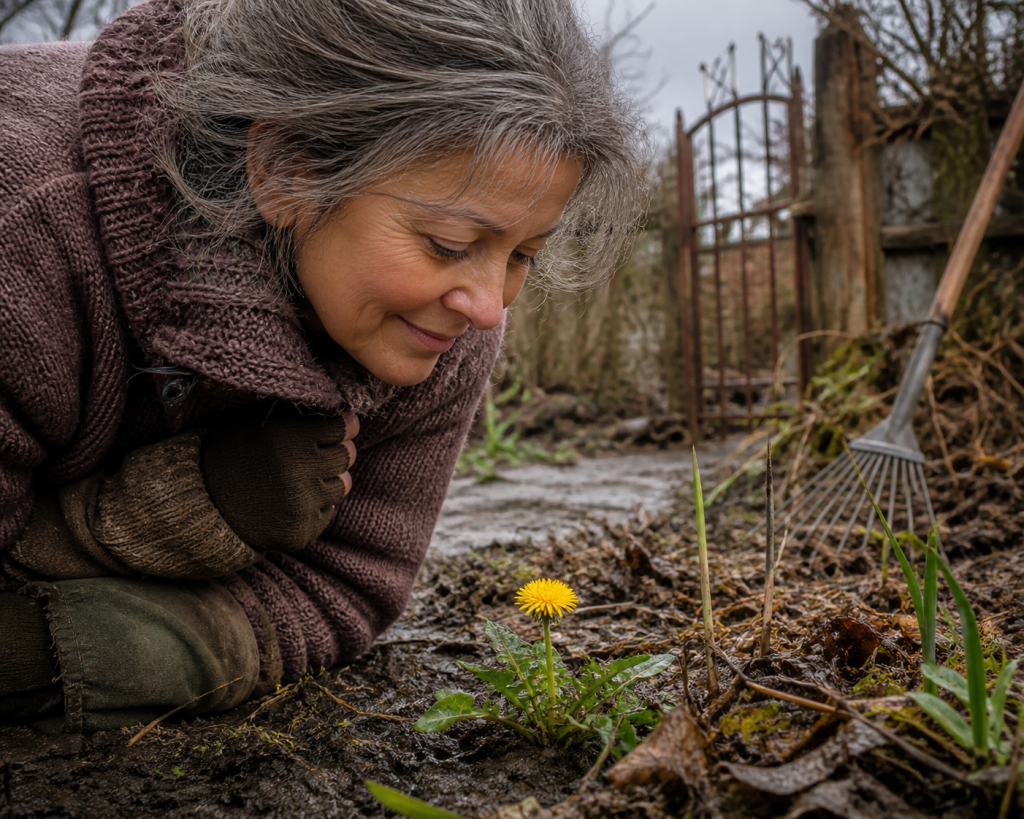
Marching On

by Heather Walton, Guest Blogger

March is the month that sparks wonder for me. Should I bundle up? Is it going to rain snow, sleet or hail? Should I don my hat, coat, mitts, boots, and scarf… or just slip on my sweater?

March is the month I feel the most. I feel the cold stiffening my bones, the rawness of a raspy throat, the moisture of Heaven’s tears softening my gaze, as I gaze at the Sandy Boulevard’s and slush filled muddy puddles winter has left behind.

March is the month where I feel the wind steal my breath, and the watery sun warm my back. I feel the need to head out into the bluster…to walk gingerly on the uneven pavement that has heaved and tilted in winters icy grip.

March is the month of gasping delight. For, in the biting air, I feel the need to lift my chin skyward, to search among the scudding clouds for a glimpse of the eagle. She floats high overhead most days intent on her mission of catching lunch.

March is the month of new beginnings, for I feel the need to greet each passerby with a nod and a smile. I wonder, did March draw us out into the whirlwind to whisk away our churning thoughts with joyous abandon and bird song?

For March is the month when the singing of the birds has come.  Each cheery trill that bursts from shivering feathery breasts. It seems, every shrub and branch bears a songbird whose melody swells within our own hearts and puts a lilt in our steps.

Yes, March is the month that sparks wonder for me. So here I go marching on. Reborn in the song and the sun, and the sand, and the sighing wind, I will mount up on wings like the eagles to renew my strength once again.

Heather is a people person, and as a lay leader in local city and county churches, she strives to see each person as unique facets of the Creator’s love and grace. She finds it a delight and a challenge to serve such a diverse bunch of folks.

As a former cook and home daycare worker, Heather brings a wealth of lived experience to share. She is Grandma to 7 grandkids, 2 sons, and has been married 47 years to Bob. Heather has arthritis and a back injury, which has gifted her with an understanding of the shadows we all dance with during our lives at some point.

Sometimes life is simply hard, but we can choose to be better or bitter. Being in chronic pain has given Heather an empathic view of the difficult journeys that many are on. And so, as a writer and musician, her mission is to uplift, encourage, and share kindness in as many ways she can. Just for the joy of it!

Redefining Success When Life Changes Unexpectedly

by Irene Roth, Blog Editor

Many of us grow up with a clear idea of what success looks like. We are taught that success means being productive, busy, and constantly achieving. We measure ourselves by how much we accomplish, how much we contribute, and how much we can handle without slowing down. Success is often associated with pushing through obstacles, staying strong no matter what, and meeting external expectations.

Fibromyalgia challenges these traditional definitions.

When you live with chronic pain and fatigue, success can no longer be defined by external standards alone. The rules you once lived by may no longer apply. Some days, simply getting through the day requires tremendous strength. Getting out of bed, preparing a meal, attending an appointment, or managing your symptoms may be significant accomplishments. Yet these victories often go unnoticed by others—and sometimes even by yourself.

Fibromyalgia teaches you to redefine success in more compassionate and realistic ways.

Success may mean listening to your body and resting when needed, even when you feel pressure to keep going. It may mean pacing yourself so you can avoid severe flare-ups later. It may mean saying no to protect your health, even when you wish you could say yes. It may mean asking for help when you need it, rather than pushing yourself into exhaustion.

These choices are not signs of failure. They are signs of wisdom.

They reflect a deeper understanding of what your body needs and a growing respect for your well-being. Choosing rest, balance, and self-care requires courage, especially in a culture that values constant productivity.

Redefining success also means recognizing the strength it takes to live with uncertainty. Chronic illness requires constant adaptation. Plans may change unexpectedly. Energy levels may fluctuate from one day to the next. This unpredictability can be frustrating, but it also teaches flexibility, patience, and resilience.

Success becomes less about control and more about resilience.

It becomes about your ability to adjust, to listen, and to continue forward in ways that honor your health. It becomes about caring for yourself rather than proving yourself.

You may begin to celebrate smaller victories—the days when your pain is manageable, the moments when you feel peaceful, the times when you honor your needs without guilt. You may celebrate setting healthy boundaries, completing a meaningful task, or simply giving yourself permission to rest. These moments matter deeply because they reflect your commitment to your well-being.

Fibromyalgia invites you to shift your focus from achievement to alignment. Instead of asking, “How much did I accomplish?” you can ask, “Did I honor myself today?” This question reflects a deeper and more meaningful measure of success—one rooted in self-respect rather than external approval.

This shift creates space for greater self-respect and inner peace. You begin to trust yourself more. You begin to recognize that your worth is not dependent on constant output.

Your value is not measured by productivity. It is measured by your courage to live authentically despite challenges. It is measured by your willingness to listen to your body, to adapt, and to continue moving forward with compassion for yourself.

Success is not about doing everything. It is about doing what matters most, in a way that supports your well-being. It is about living in a way that honors your health, your limits, and your humanity.

And that is a powerful kind of success.

Book Review: The Sound of a Wild Snail Eating by Elisabeth Tova Bailey

Reviewed by Irene Roth/Blog Editor

There are some books that arrive quietly but leave a lasting imprint on the heart. The Sound of a Wild Snail Eating by Elisabeth Tova Bailey is one of those rare and gentle memoirs. For fibromates and others living with chronic illness, this book offers something deeply needed: validation, comfort, and hope.

Bailey’s story begins with a sudden and severe illness that leaves her almost completely bedridden. Once active and independent, she finds herself unable to walk, work, or even sit upright for extended periods. Her world shrinks to the confines of her bedroom, and with that shrinking comes isolation, frustration, and the quiet grief of losing the life she once knew. Many fibromates will immediately recognize this experience—the abrupt shift from capability to limitation, and the emotional adjustments that follow.

Everything begins to change when a friend brings her a small pot of violets, and within it, a tiny wild snail. At first, the snail seems insignificant. But over time, Bailey begins to observe it closely. She watches its slow movements, its persistence, and its quiet routines. This tiny creature becomes a companion, but more importantly, a teacher.

Through observing the snail, Bailey begins to rediscover meaning in stillness. The snail moves slowly, but it moves with purpose. It survives. It adapts. It continues. In its quiet existence, Bailey finds reassurance that life does not need to be fast to be meaningful. This message is especially powerful for fibromates, who often must live at a slower pace than the world around them.

One of the most beautiful aspects of this memoir is its gentle honesty. Bailey does not deny the hardship of chronic illness. She acknowledges the loneliness, the dependence on others, and the uncertainty. Yet the book never feels depressing. Instead, it feels peaceful. It reminds readers that even in limitation, there can be beauty, connection, and growth.

The natural imagery throughout the book reinforces its hopeful tone. The presence of the snail, the violets, and the changing light in her room all symbolize quiet renewal. Like early spring, healing in this memoir is subtle and gradual. It does not arrive suddenly, but it does arrive.

For fibromates, this book offers a powerful and comforting message: your life still has value, meaning, and richness, even when your body has changed. It gently encourages readers to release harsh expectations and to embrace self-compassion. It reminds us that rest is not weakness, and that slowing down can open new ways of seeing the world.

Ultimately, The Sound of a Wild Snail Eating is a memoir about resilience—not the loud, dramatic kind, but the quiet, steady resilience of continuing. It is a story of learning to live differently, and of finding hope in the smallest and most unexpected places. For anyone living with fibromyalgia or chronic illness, this book feels like a calm and reassuring companion, offering the gentle reminder that even after the longest winter, spring always returns.