
by Irene Roth, Blog Editor/Writer
For those living with fibromyalgia, stress is more than just an occasional challenge. It can act as a powerful trigger, amplifying symptoms and making daily life more difficult.
While stress is unavoidable, learning how it affects fibromyalgia and how to manage it effectively can help fibromates feel more in control of their health and well-being.
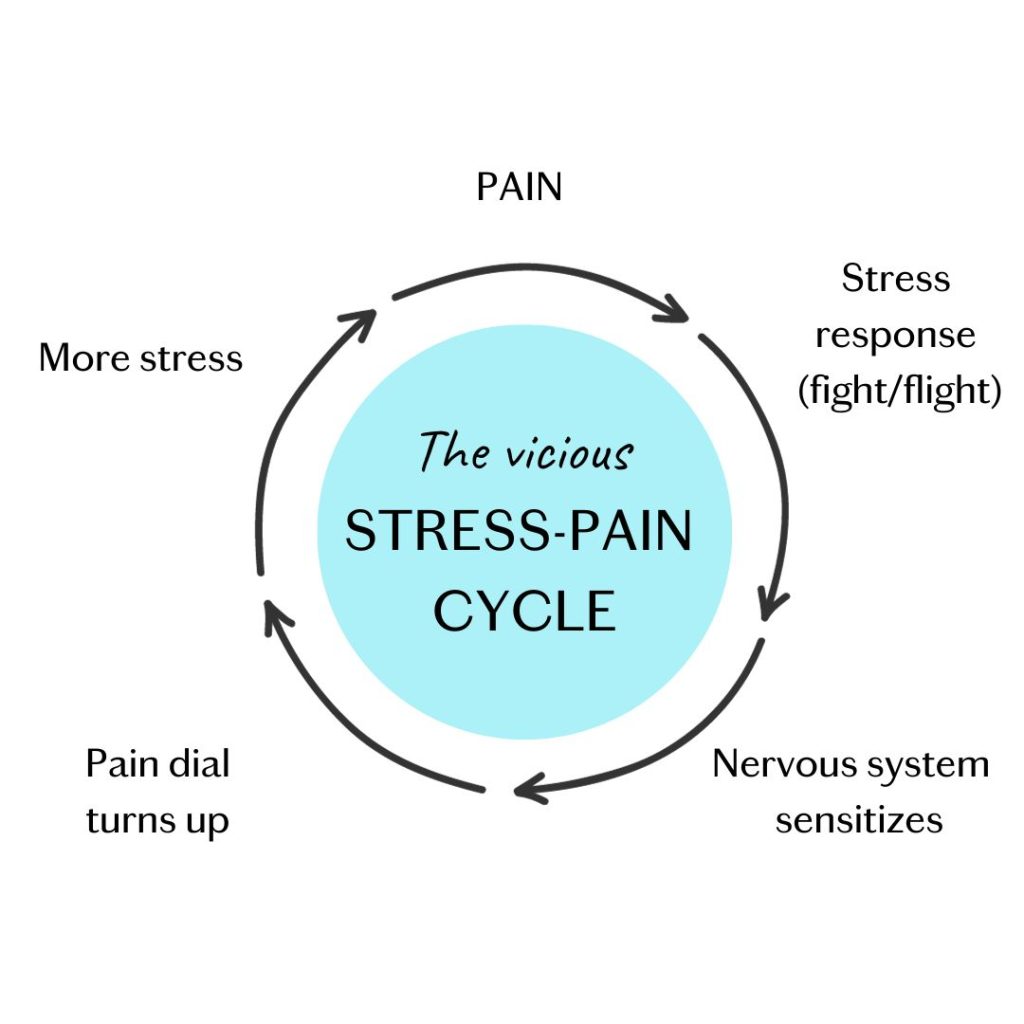
As we all know, fibromyalgia is a complex condition characterized by widespread pain, fatigue, sleep disturbances, and cognitive issues often described as “fibro fog.” While the exact cause of fibromyalgia remains unclear, researchers agree that the central nervous system plays a key role in how the body processes pain. Stress directly impacts this system.
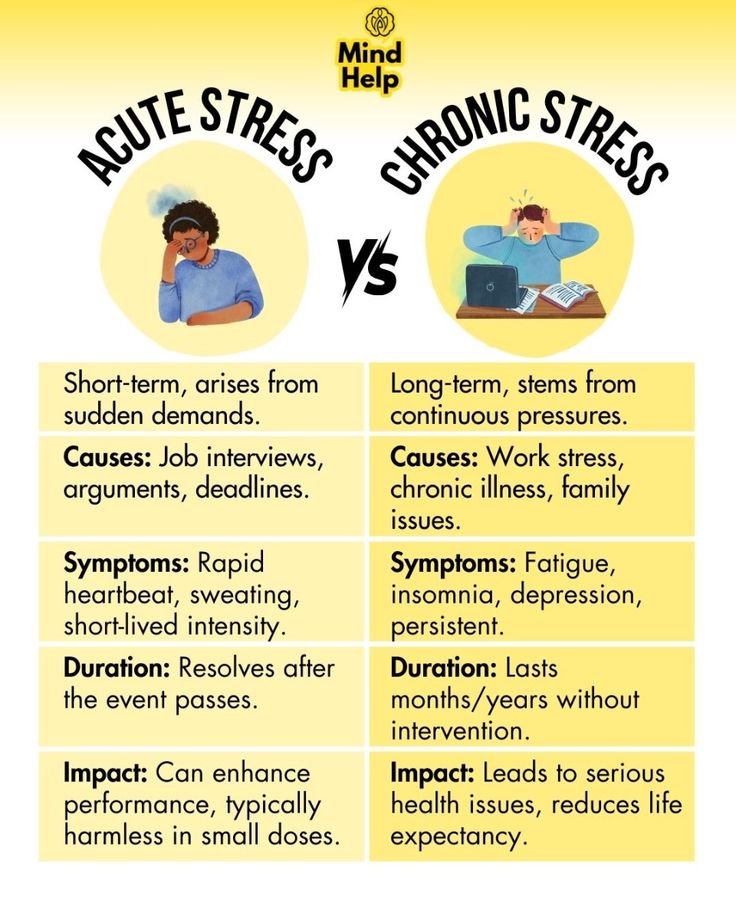
When we experience stress, the body releases stress hormones such as cortisol and adrenaline. These are meant to prepare us for short-term emergencies. However, for fibromates, chronic stress keeps the body in a constant state of alert. This over-activation of the nervous system can heighten pain sensitivity, interfere with sleep, and worsen fatigue. Stress also suppresses the immune system, which can increase vulnerability to infections or prolong recovery times—further complicating fibromyalgia symptoms.
Many fibromates report that flare-ups often follow stressful events, whether emotional (relationship conflicts, work deadlines) or physical (injury, illness). Even positive stress, such as planning a family gathering or starting a new project, can lead to increased pain or exhaustion. Recognizing stress as a potential trigger is an important step in managing the condition.
For fibromates, stress can intensify our symptoms in several ways:
- Increased pain: Stress can make muscle tension worse, intensifying fibromyalgia’s hallmark aches and stiffness.
- Poor sleep: Racing thoughts and stress hormones disrupt deep sleep, leaving fibromates exhausted.
- Heightened fatigue: Because stress drains the body’s energy, fatigue becomes more pronounced.
- Brain fog: Stress makes it harder to focus, remember, and process information.
- Mood changes: Anxiety, irritability, or depression can accompany stress, adding emotional strain to physical discomfort.
The good news is that stress can be managed—even if it cannot be completely eliminated. Building a “stress toolbox” can empower fibromates to handle challenges with greater ease. Here are some practical strategies to manage stress:
- Mindful breathing and relaxation techniques
Practicing deep breathing, progressive muscle relaxation, or meditation helps calm the nervous system and reduce pain sensitivity. Even five minutes of slow, intentional breathing can make a difference. - Gentle movement
Low-impact activities such as walking, yoga, tai chi, or stretching can reduce muscle tension and release endorphins—the body’s natural pain relievers. Exercise should be paced to avoid overexertion, but regular gentle movement can lessen both stress and fibro symptoms. - Prioritizing rest and sleep hygiene
Creating a calming nighttime routine—limiting screen time, dimming lights, and keeping a consistent sleep schedule—can improve sleep quality. Restorative sleep helps the body recover from stress and reduces flare-ups. - Healthy boundaries and pacing
Saying “no” when necessary and pacing activities throughout the day can help conserve energy and minimize stress. Breaking tasks into smaller steps prevents overwhelm and reduces the risk of triggering symptoms. - Creating Support systems
Talking to friends, family, or fellow fibromates can ease the emotional burden of stress. Support groups, such as the Fibro Support Network, can provide a safe space to share experiences and coping strategies. - Creative outlets
Journaling, painting, crafting, or listening to music can offer both relaxation and a healthy way to process emotions. Creative expression can lower stress levels and provide joy. - Professional help
Counseling, cognitive-behavioral therapy (CBT), or working with a pain specialist can help fibromates develop personalized strategies for managing stress and improving quality of life.
Stress is a natural part of life, but for fibromates, its effects can be especially detrimental to our quality of life. Understanding the connection between stress and fibromyalgia symptoms is the first step toward taking control. By building a personalized stress management plan that includes relaxation techniques, gentle movement, supportive connections, and healthy pacing, fibromates can reduce the impact of stress and experience more good days.
Living with fibromyalgia is not easy, but learning to manage stress can help restore balance, resilience, and hope. All we have to do is constantly take care of ourselves on a daily basis, which is a lot easier said than done.