
by Irene Roth, Blog Editor/Writer
Living with fibromyalgia is often a daily balancing act. Chronic pain, fatigue, and unpredictable flare-ups can make even ordinary tasks feel overwhelming. This can cause a lot of stress and undue hardships.
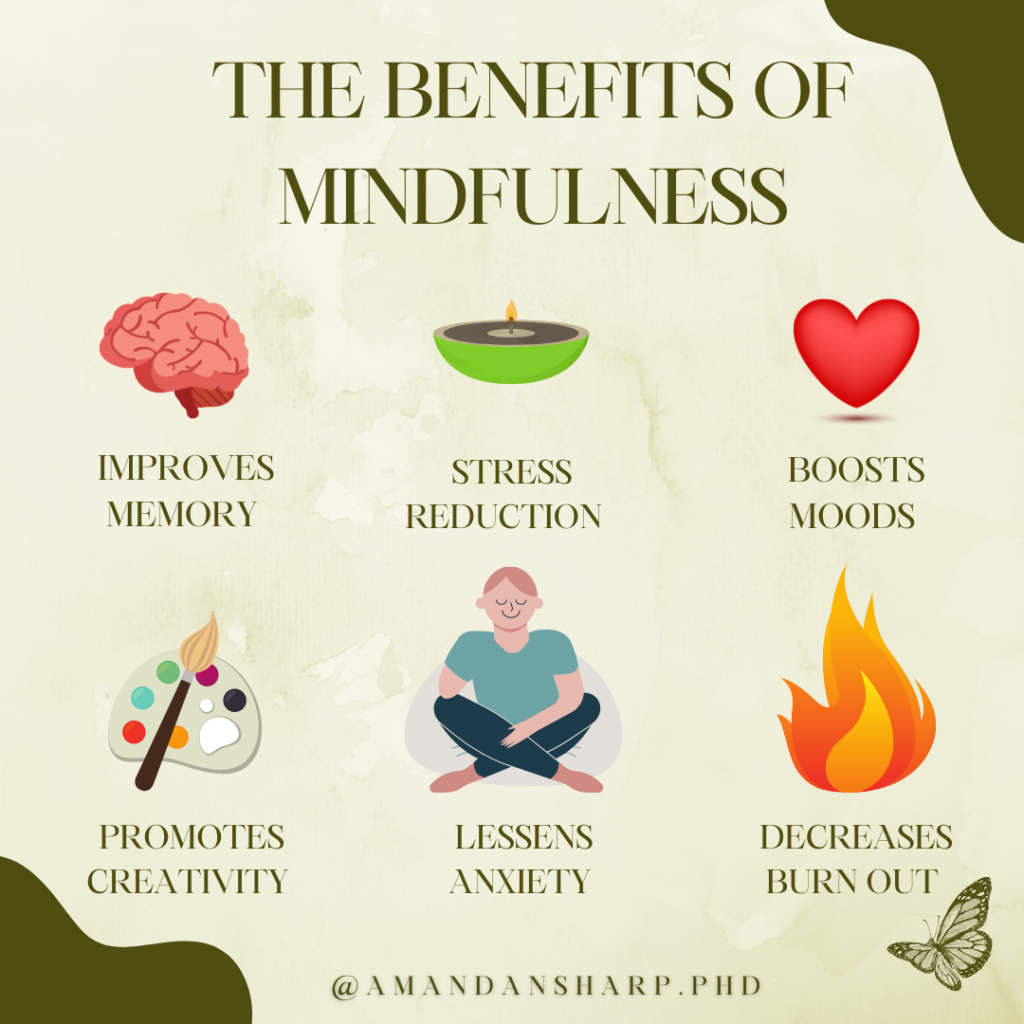
For many fibromates, stress becomes both a trigger and a consequence of symptoms. When the body is already in a heightened state of sensitivity, stress can intensify pain and reduce coping capacity. One effective tool to break this cycle is mindfulness—a practice of staying present, grounded, and aware without judgment.
Research consistently shows that stress worsens fibromyalgia symptoms. High stress levels can increase muscle tension, disrupt sleep, and amplify pain perception. For someone living with fibro, this creates a vicious loop: pain fuels stress, and stress fuels pain. While medication, physical therapy, and lifestyle adjustments are valuable, learning to calm the nervous system through mindfulness offers another pathway to relief.
Mindfulness does not erase pain or fatigue, but it helps change the way individuals respond to these challenges. Instead of feeling consumed by discomfort or fear of the next flare, mindfulness encourages acceptance and resilience.
What Is Mindfulness?
At its core, mindfulness means paying attention to the present moment with openness and curiosity. It’s not about suppressing thoughts or pushing away difficult emotions but rather observing them without judgment. This gentle awareness interrupts automatic stress reactions and allows for more thoughtful responses.
For fibromates, mindfulness can be practiced in small, accessible ways—such as focusing on the breath, noticing bodily sensations, or savoring the details of daily experiences.
How Mindfulness Assuages Stress
- Regulates the Nervous System:
Stress keeps the body in a fight-or-flight state, which heightens pain sensitivity. Mindful breathing and relaxation techniques activate the parasympathetic nervous system, promoting calm and reducing the intensity of stress responses. - Reduces Catastrophic Thinking:
Many with fibro find themselves worrying about when the next flare might hit. Mindfulness helps quiet these anxious “what ifs” by anchoring attention to the here and now. - Improves Sleep Quality:
Sleep disruptions are common with fibromyalgia, and stress often makes them worse. Mindful practices before bed—such as a body scan or gentle meditation—can settle the mind and prepare the body for rest. - Increases Emotional Resilience:
Living with a chronic illness can lead to frustration, sadness, or guilt. Mindfulness fosters self-compassion, helping fibromates approach themselves with kindness instead of criticism.
Practical Ways Fibromates Can Practice Mindfulness
- Mindful Breathing: Spend a few minutes focusing on the inhale and exhale. If the mind wanders, gently return to the breath.
- Body Scan: Bring awareness to each part of the body, noticing sensations without trying to change them. This helps develop acceptance and reduces tension.
- Mindful Movement: Gentle stretching, yoga, or walking can be done with full attention to how the body feels, without forcing or judging.
- Everyday Mindfulness: Eating slowly, noticing the flavors of food, or pausing to appreciate nature can all become mindful practices.
- Guided Meditations: Apps, podcasts, or online resources can help structure short mindfulness sessions for beginners.
The effects of mindfulness build gradually. At first, fibromates may notice only brief moments of calm. Over weeks and months, however, the practice can reshape stress patterns, improve mood, and enhance quality of life. Many find that mindfulness allows them to reclaim a sense of control—choosing how to respond to pain and stress instead of being swept away by them.
Mindfulness is not about perfection or doing it “right.” Some days the mind will wander constantly, or pain will make sitting still uncomfortable. That’s okay. The practice is in returning, again and again, to the present moment. For fibromates, this gentle discipline can open space for peace, healing, and hope.
Hi Andrea!
Thank you for your kind words!
Please visit our blog again soon!
~ Have an awesome day!
Irene
This is very helpful, thank you!
Great explanation of mindfulness and how it can help. I still suffer, like you say, but I also find joy. And in accepting myself more, others do too.