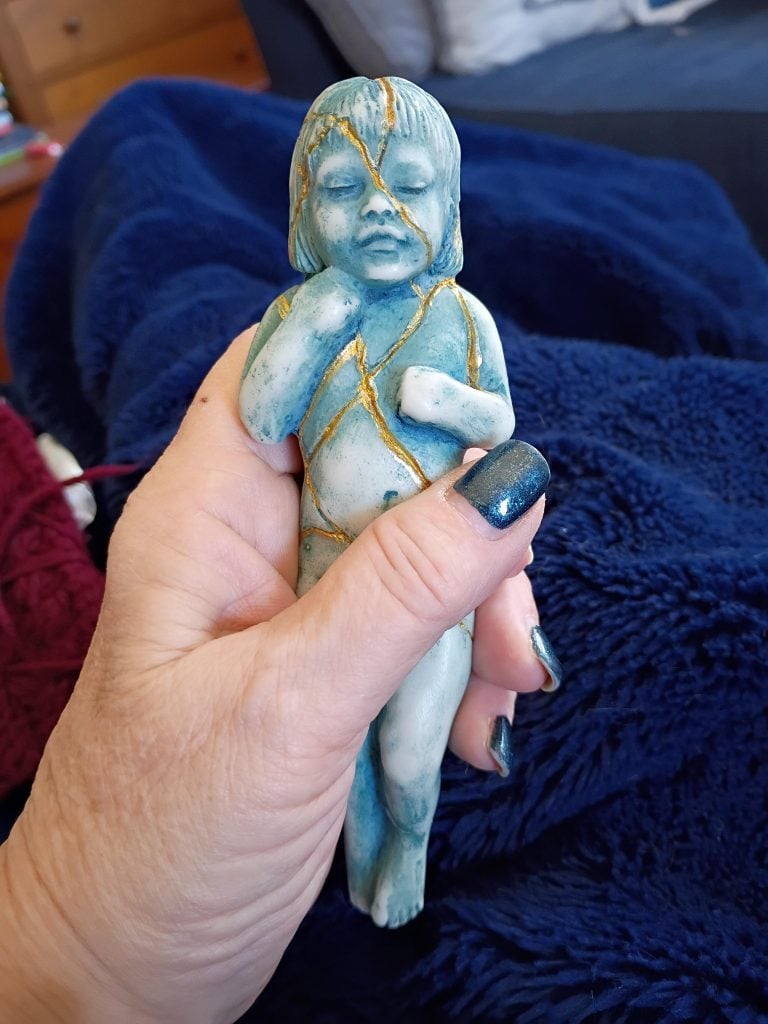
Welcome to February!

By Irene Roth/Blog Editor/ Freelance Writer

Hi Friends,

February is often framed as the month of love—but for those of us living with fibromyalgia, love has to begin somewhere quieter and deeper. It has to begin in the body.

This month on the Fibromates blog, I’ll be exploring a central theme that many of us live with every day, whether we have the words for it or not: the body as messenger. Rather than seeing the body as something that has betrayed us or broken down, this series invites a gentler reframe—what if the body is communicating with us, doing its best to keep us safe, balanced, and whole?

When you live with chronic pain, fatigue, and unpredictable symptoms, it’s easy to feel at odds with your own body. Many fibromates have spent years pushing through pain, overriding signals, or feeling frustrated and disconnected. But the body doesn’t speak in punishment—it speaks in sensation, rhythm, and need. Learning to listen, rather than fight, can slowly change the relationship we have with ourselves.

Throughout February, each blog post will explore a different way of tuning in to the body’s messages with curiosity, compassion, and self-respect.

We’ll begin with Listening to Pain, a reflection on what pain might be asking for beyond relief alone. Pain is not the enemy—it’s information. This piece will explore how listening without panic or judgment can help us respond more wisely, even on hard days.

Next, we’ll explore The Body’s Wisdom: Trusting Your Inner Healer. Many fibromates have learned to doubt themselves after years of conflicting advice and medical uncertainty. This post gently reclaims the idea that your body holds an innate intelligence—one that can guide pacing, rest, movement, and healing choices when we learn to trust it again.

From there, we’ll move into Turning Body Awareness into Self-Kindness. Awareness alone isn’t enough if it leads to self-criticism. This piece focuses on how noticing signals—fatigue, tension, overwhelm—can become an act of care rather than another item on a to-do list. Self-kindness is not indulgence; it’s a necessary skill for living well with chronic illness.

Finally, the month will close with How Self-Love Highlights the Body as Messenger. Self-love isn’t about positive thinking or fixing yourself. It’s about creating enough inner safety to listen honestly to what your body is saying—without minimizing, catastrophizing, or pushing through at all costs. This post ties the month together by showing how self-love becomes the lens through which the body’s messages finally make sense.

These blogs are not about quick fixes or cures. They are invitations—to slow down, to listen differently, and to build a more respectful relationship with your body as it is today. Take what resonates, leave what doesn’t, and return to these ideas at your own pace.

Have a great month!

Creating a Personal Philosophy for Your Fibro Life

by Irene Roth, Blog Editor/Freelance Writer

That’s why creating a personal philosophy for your fibro life can be deeply grounding. It becomes an inner compass—one that helps you make decisions, set boundaries, and live with greater peace, even on difficult days.

A personal philosophy isn’t a list of rules to follow perfectly. It’s a set of guiding principles that reflect your values, your needs, and your lived reality with fibromyalgia. It’s how you choose to meet your days—with intention rather than self-judgment.

Start with radical self-honesty

The first step is acknowledging the truth of your body and your circumstances. Fibro changes things. Energy fluctuates. Pain arrives uninvited. Brain fog complicates even simple tasks. Instead of fighting these realities, a personal philosophy begins by naming them compassionately.

Ask yourself: What do I need to accept about my body right now? Acceptance doesn’t mean giving up. It means letting go of unrealistic expectations that only add shame and frustration. From this honest place, your philosophy can grow on solid ground rather than wishful thinking.

Identify your core values

Next, reflect on what truly matters to you—beyond what society tells you should matter. Is it gentleness? Creativity? Presence? Connection? Simplicity? Meaningful contribution rather than constant output?

When you live with fibromyalgia, values often shift. You may no longer value busyness, but instead cherish rest. You may choose depth over quantity in relationships. Writing these values down helps anchor your choices. On days when pain flares, your values can remind you that resting is not failure—it’s alignment.

Redefine success on your own terms

One of the most powerful parts of a fibro philosophy is redefining success. Success may no longer look like crossing everything off a to-do list. It might look like pacing yourself, honoring a rest break, or listening to your body before it crashes.

Your philosophy might include statements such as:
“I measure success by how well I care for myself, not by how much I produce.”
“Small, gentle steps still count.”

These reminders can soften the inner critic that so often accompanies chronic illness.

Build in compassion and flexibility

Fibro life is unpredictable, so rigidity rarely serves you. A personal philosophy should leave room for change. What works one week may not work the next—and that’s okay.

Consider weaving compassion directly into your philosophy: I will speak to myself kindly, especially on hard days. Flexibility allows you to adjust plans without guilt and respond to your body with respect instead of resistance.

Put your philosophy into words—and revisit it often

Finally, write your personal philosophy down. It could be a short paragraph, a list of affirmations, or a single page in your journal. This written philosophy becomes something you can return to when you’re overwhelmed, discouraged, or unsure.

As your life with fibromyalgia evolves, your philosophy can evolve too. Revisit it every few months. Ask yourself what still fits and what needs revision. This is not a static document—it’s a living reflection of your ongoing wisdom.

Creating a personal philosophy for your fibro life is an act of self-respect. It says: My life still has meaning. My pace still has value. And I get to decide how I live well—on my own terms.

Guest Blog: If You Don’t Like Meditating, Try This Simple Hack

By Jade Bald, Guest Blogger

People living with fibromyalgia are often told—by doctors, coworkers, friends, and well-meaning strangers alike—that they should meditate. Many of us have tried. We’ve downloaded meditation apps, listened to guided sessions on podcasts, or attempted breathwork exercises that promise calm and clarity.

And yet, for some of us, meditation just doesn’t land.

I’ll be honest: I don’t enjoy guided meditation. Having someone talk at me while telling me how to breathe or what to imagine feels distracting rather than soothing. Breathwork has never resonated with me either, and yoga—despite its many claimed benefits for fibromyalgia—is not something I feel drawn to pursue.

Over time, I’ve also grown wary of parts of the alternative health world. I’ve tried handpan music, “healing” frequencies, and sound bowl recordings. Sound bowls can be relaxing, but beyond that, many of these approaches do very little for me. I struggle with the idea—still common in some circles—that chronic illness exists because chakras are blocked or vibrations are low.

Fibromyalgia isn’t about chakras or sound frequencies. It’s about neurotransmitters, disrupted sleep architecture, endocrine imbalance, gut health, and neuroinflammation. Trauma, chronic stress, and long-term physiological strain play a role. Yes, there is a psychological dimension—but when you’re managing pain, fatigue, and brain fog daily, “just raising your vibration” feels dismissive at best.

That said, something unexpected has helped me recently—and I noticed better sleep almost immediately.

The Hack: Gentle Audio-Visual Immersion

Instead of forcing meditation, I tried something simpler. I went on YouTube and searched for calming videos that combine both sound and movement. Here are a few that worked especially well:

  • Ocean soundtracks with visible rolling waves
  • Garden or forest walk-throughs with birdsong and soft breezes
  • European village walk-throughs with distant church bells, gentle rain, or snowfall
  • Soft chime music paired with slow, calming visuals
  • Purring cats or crackling fireplaces
  • Ancient ruins or drone flyovers accompanied by slow, rhythmic drum music

What surprised me was how naturally meditative this felt.

Why It Works (At Least for Me)

I suspect it’s the audio-visual combination. The movement gives my mind something to rest on without effort. Watching waves roll in, leaves sway, snow fall, or rain drift across a village street creates a gentle, hypnotic focus. The sounds—bells, wind, water, chimes—anchor the experience without demanding attention.

There’s no instruction. No pressure to “do it right.” No one telling me how to breathe.

Many of these videos run for an hour or more and are designed for meditation, studying, or winding down before sleep. Personally, I don’t leave them on all night—I find that too stimulating—but even 20–40 minutes before bed has helped my nervous system settle.

If traditional meditation hasn’t worked for you, you’re not failing. You may simply need a different doorway into calm. Sometimes rest comes not from silence—but from gentle, moving beauty.

Jade Bald is a freelance writer, as well as author and screenwriter in progress. She lives in a town in Ontario. When not writing, she is listening to music, and watching the latest series on Amazon Prime Video.