
By Irene Roth/Blog Editor
What happens when we do everything we believe we are supposed to do for our health—and illness arrives anyway?
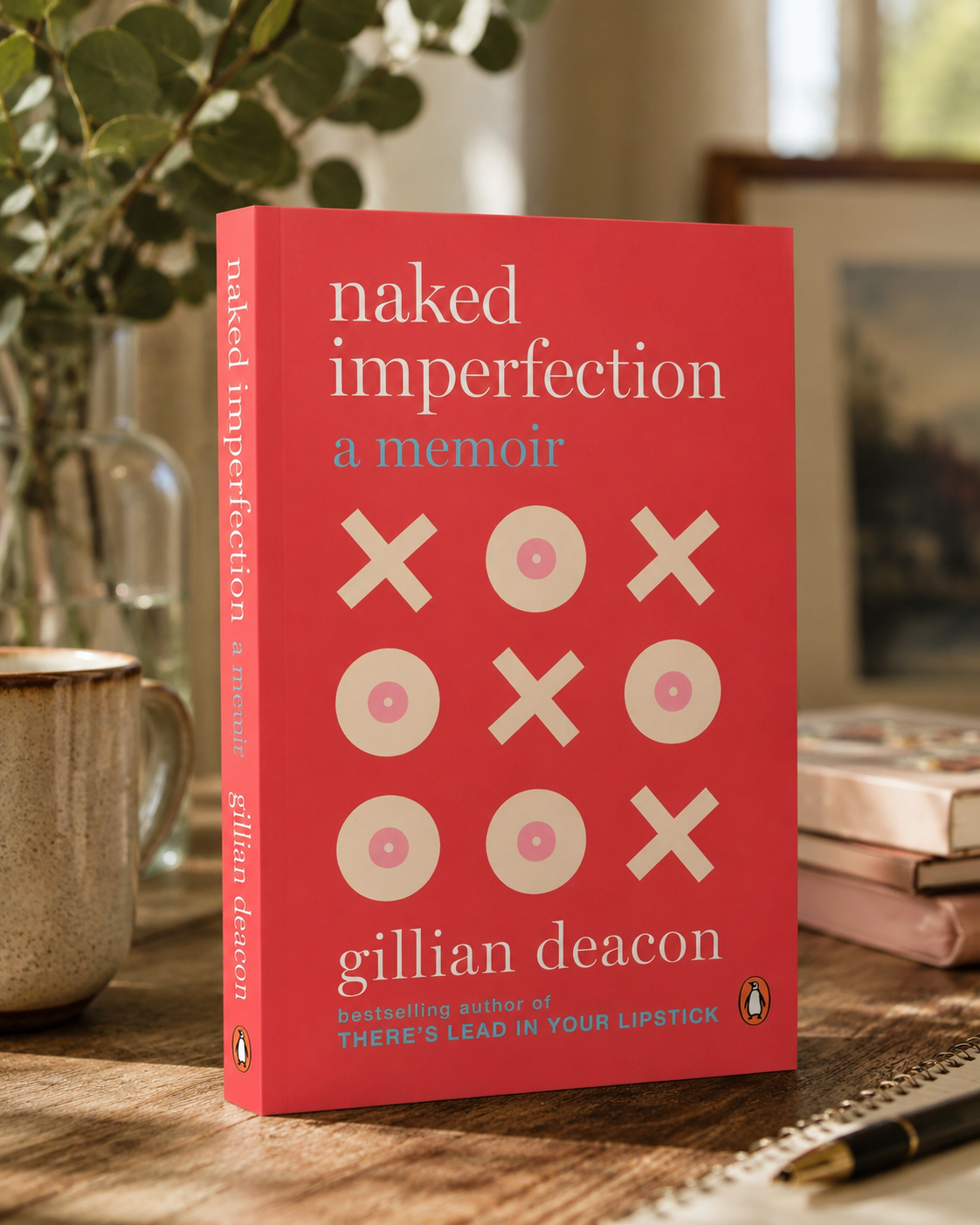
That uncomfortable question lies at the heart of Gillian Deacon’s deeply personal memoir, Naked Imperfection. Deacon was known for her commitment to healthy and environmentally conscious living. She ate carefully, exercised, practised yoga, and paid close attention to what she put into and around her body. Then, at only 42, she was diagnosed with breast cancer.
Her diagnosis challenged more than her physical health. It challenged her belief that if she made the right choices, she could somehow keep herself safe.
Naked Imperfection follows Deacon through the fear, uncertainty, treatments and emotional upheaval surrounding her diagnosis. Yet this isn’t simply a memoir about cancer. At its heart, it is a book about our desire for control and what happens when our bodies remind us that life cannot always be controlled.
Deacon writes candidly about perfectionism and the relentless drive to do things “right.” She gradually begins questioning the assumption that health is something we can guarantee if only we eat properly, exercise enough, reduce stress and make all the correct choices. Her experience forces her to confront something difficult but ultimately freeing: we can care for ourselves without being able to control everything that happens to us.
For those of us living with fibromyalgia, that message may feel particularly familiar.
We can pace ourselves, eat nourishing foods, practise relaxation techniques, take medications, improve our sleep routines and learn everything possible about our condition—and still wake up in a flare. Symptoms don’t always follow the rules. Sometimes there is no obvious explanation for why yesterday was manageable and today isn’t.
This is where Naked Imperfection becomes particularly relevant to FibroMates.
Deacon gradually moves away from constantly striving for a better, healthier, more controlled future and toward appreciating the imperfect life happening in front of her. In an interview about the memoir, she described learning that we cannot control everything beyond what is actually within our control and spoke about developing greater appreciation for the imperfect present.
There is something gentle in that message for anyone living with chronic illness. We don’t have to wait until our bodies behave perfectly before allowing ourselves to participate in our lives. Nor does having a difficult symptom day mean we have somehow failed at managing our illness.
The book isn’t always light emotionally. Cancer, mortality and fear are significant parts of Deacon’s story. Some readers may also find themselves questioning some of her earlier beliefs about healthy living and illness. But Deacon’s willingness to examine those beliefs is part of what makes the memoir interesting.
Ultimately, Naked Imperfection reminds us that perhaps the goal isn’t to create the perfectly healthy body or the perfectly controlled life. Maybe, it is to learn how to inhabit the life we have, with all its uncertainty, beauty, limitations and unexpected moments of joy.